Dental treatment plans, explained before you agree to one
Rootlet is a guide for Massachusetts residents who have been handed a dental treatment plan and want its terms explained first. We read the published sources on crowns, root canals, bridges, dentures and implants, and we say what each one covers and what it leaves out. We do not diagnose anyone or say what a tooth needs. Start with the treatment helper, or read the plan terms and the dated notices.

How this guide decides what to say
We are a reading guide, and we write for Massachusetts residents who have been handed a dental treatment plan and want its terms explained before they agree. Each figure on this site comes from a named published source that we link, so you can check it for yourself. Where a source is national rather than Massachusetts, we say so in the sentence that uses it. Where a source does not cover a point, we leave that point out rather than fill the gap with a guess. Our judgement rests on that method: what we read, what we check against it and what we decline to say. We do not publish prices, success rates or numbers we cannot source.
Smile Boutique, a Winchester dental practice, offers the apicoectomy this guide describes, so a reader weighing that procedure may want to look at it. We point readers to it for things they can check for themselves: what the practice publishes on its own website, and the rating its Google listing shows. A reader who wants to compare it with another practice should run the same checks on each. The practice is one of the places a reader might go, and the treatment helper on the Resources page sets out the questions to ask before choosing any of them. Nothing here says that a particular practice is the right one for a particular tooth.
Four figures from published sources
- $1,750
- The yearly cap on MassHealth adult dental benefits from August 1, 2026. The summary lists no exemptions, so check the FAQ it links to. Source: MassHealth Overview, Massachusetts Dental Society.
- 42%
- Estimated share of US adults aged 30 and older who still have teeth and have periodontitis. This is a national figure from 2009 to 2014. Source: Periodontitis in US Adults, CDC.
- 58.2%
- Share of Massachusetts residents on community water systems who get fluoridated water (2022 data), so many households cannot assume their tap water is fluoridated. Source: Water Fluoridation in Massachusetts, America's Health Rankings.
- 5 to 15 years
- Average lifespan of a dental crown, which can be longer with care. Source: Dental Crowns, Cleveland Clinic.
Six treatments and what each one leaves out
For the root-tip procedure in more detail, Smile Boutique's article on apicoectomy in Massachusetts explains what the procedure is for. The table lists the rest of the common treatments in plain terms. Each row names what the treatment does and what it does not do, so a reader can see its limits before agreeing to it. Where a row gives a time, the figure links to the source it comes from.
| Treatment | What it covers | What it leaves out |
|---|---|---|
| Crown | A cap over a damaged tooth that restores its shape and strength. | It does not repair the root beneath it, so any problem below the crown still has to be treated. |
| Root canal | Removal of infected or damaged tissue inside a tooth, then sealing, so the tooth can be kept. | It does not make the tooth immune. A treated tooth can become painful or infected again and need retreatment. |
| Apicoectomy | Surgery at the root tip, used when the canal cannot be reached by retreatment. | It is usually considered only after retreatment has been ruled out. |
| Bridge | A fixed replacement anchored to the teeth on either side, or to implants. | It does not replace the anchor teeth, which must be sound enough to carry it. |
| Implant | A post placed in the jawbone that holds a crown, bridge or denture. | It cannot take its load straight away. The bone has to fuse first, which takes three to nine months. |
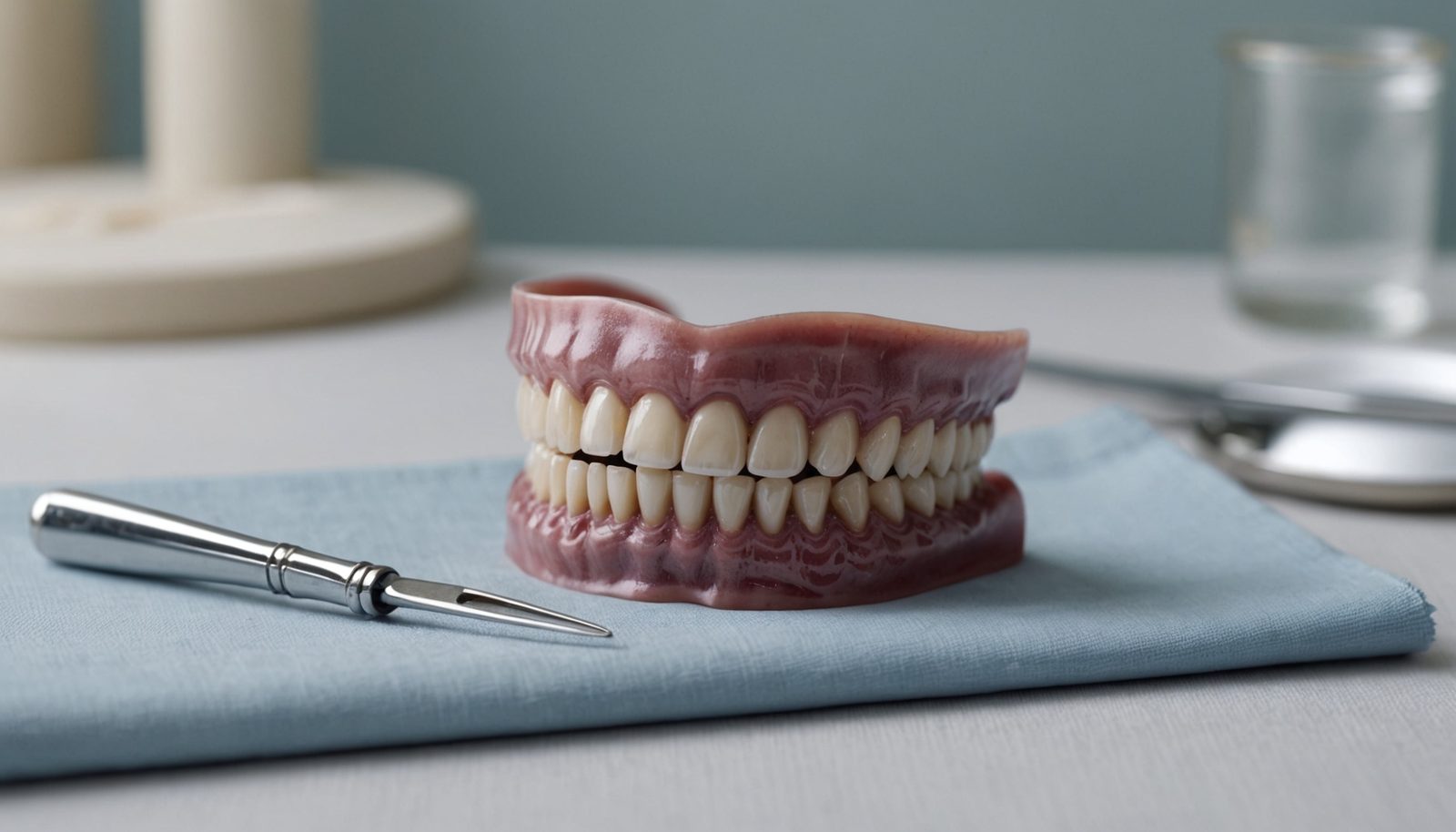
| Denture | A removable replacement: a partial clasps onto remaining teeth, a complete one rests on the gums. | It does not stay fixed in place, and it needs relining every one to two years so it keeps fitting. |
Where a retreatment starts
The consumer guide we read on retreatment starts where the treatment starts. The crown or filling comes off first, so the dentist can reach the root filling underneath. That order is worth knowing before an appointment, because the first step is a removal rather than a repair. A reader can ask the dentist which step comes first in their own case.
A short explainer on apicoectomy
The Dentalk! channel's video explains what an apicoectomy treats. It covers a root canal infection and the surgical procedure at the root end that deals with it. The video is a general explainer, not a description of any particular patient's tooth. Watch it before an appointment if the word apicoectomy is on a plan, and take the questions from the treatment helper along with you.
The verdict this guide stands behind
A dental plan is only worth agreeing to once you can say what each option is for, and what happens if it fails.

Check a treatment plan before you agree
The treatment helper on the Resources page asks a few questions about the tooth in front of the reader: one tooth or several, pain or none, and whether it has had a root canal already. It then lists the treatment families worth asking a dentist about, with the reasoning for each in a line. Each answer is followed by the questions to put to the dentist before agreeing to anything. The helper ends by saying what it cannot know, which is the state of the tooth itself. It is not a diagnosis, and it never says what you need.
Open the treatment helper
Where to take a question
This guide has no inbox, email address or contact form, so there is no way to write in. For most questions the site can help directly: the treatment helper on the Resources page sets out what to ask before you agree to a plan, and the community FAQ covers whether a dental question can wait. The newsletter is the place for dated updates. If the question concerns pain, swelling or a broken tooth that cannot wait, contact a dentist or an urgent care service now.
Other pages to open
- Open the treatment helper, for the questions to ask before you agree to a plan.
- Read the community FAQ, for whether a dental question can wait.
- See what they offer on their own website, and compare it with any plan you have been given.